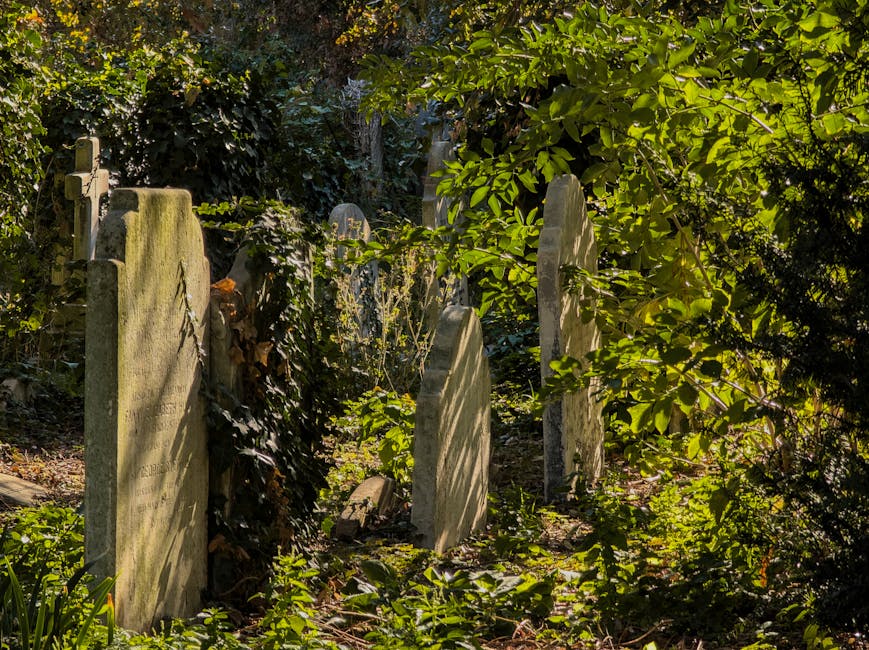
Gardeners near Highgate Cemetery expert garden clearance
If you are looking for Gardeners near Highgate Cemetery expert garden clearance, chances are the garden has gone a bit past "needs a tidy" and into "where do we even start?" That is a very normal point to be at. London gardens can be compact, shaded, sloped, overgrown, and full of awkward corners, and around Highgate Cemetery there is often an extra layer of care needed because the area is quiet, characterful, and closely tied to older planting and boundary details.
Expert garden clearance is not just about removing green waste. Done properly, it restores structure, improves safety, protects valuable plants, and gives you a clean base for whatever comes next. In our experience, the best jobs are the ones that leave the space looking calm again, not stripped bare. This guide walks through what the work involves, why it matters, how it is carried out, and what to look for if you want a gardener who understands both the practical and the local context.
Table of Contents
- Why expert garden clearance matters
- How the clearance process works
- Key benefits and practical advantages
- Who this is for and when it makes sense
- Step-by-step guidance
- Expert tips for better results
- Common mistakes to avoid
- Tools, resources and recommendations
- Law, compliance, standards and best practice
- Options, methods and comparison table
- Case study or real-world example
- Practical checklist
- Conclusion
- Frequently asked questions
Why Gardeners near Highgate Cemetery expert garden clearance Matters
Garden clearance sounds straightforward until you are standing in a space full of tangled bramble, collapsed stems, self-seeded saplings, slippery paths, and a compost heap that has become, well, a small ecosystem. Around Highgate Cemetery and the surrounding North London streets, gardens are often older, more enclosed, and more sensitive than a typical suburban plot. That changes the job quite a lot.
Expert clearance matters because the wrong approach can remove the very things that give a garden character. Mature shrubs, climbing plants on old walls, or established borders can be damaged if a general tidy-up is treated like a full demolition. On the other hand, leaving a garden too long can create access issues, pest problems, and hidden hazards. Nobody wants to discover a broken paving slab under a mountain of ivy on a wet November morning. Truth be told, that happens more often than people expect.
A skilled local gardener understands how to balance neatness with restraint. They know when to cut hard, when to clear lightly, and when to pause and assess what is actually growing there. Around Highgate, where gardens may back onto stone walls, narrow side access, or shared boundaries, that judgment really matters. It is not just labour. It is decision-making.
Expert garden clearance is most valuable when it protects what is worth keeping, removes what is causing problems, and leaves the space ready for sensible next steps.
It also matters from a practical point of view. Overgrowth can block light, reduce airflow, and make a small garden feel even tighter than it is. A cleared space feels different straight away. You can move through it. You can see the layout again. And, crucially, you can decide whether it needs replanting, lawn recovery, hedge work, or a longer-term maintenance plan. If you want a broader service after clearance, local teams often link it with garden maintenance support or more targeted hedge trimming work.
How Gardeners near Highgate Cemetery expert garden clearance Works
A proper clearance job usually starts with an assessment, not with the first cut. That sounds obvious, but it is where many rushed jobs go wrong. The gardener looks at access, waste volume, plant condition, boundary issues, hard landscaping, and whether there are any features that should be preserved. In a Highgate setting, that may include old walls, mature trees, shaded beds, or compact courtyards with limited tool access.
The work itself is usually staged. First comes the removal of loose debris and obvious hazards. Then comes cutting back overgrowth in a controlled way. After that, the team can tackle roots, invasive growth, unwanted climbers, dense shrubs, and any accumulated waste. If needed, they may also sort the garden into areas for clearance, pruning, repair, and later planting. A good gardener does not just "clear everything." They clear in layers.
Depending on the condition of the site, the process may include:
- cutting back brambles, nettles, ivy, or long grass
- removing dead plants, branches, and leaf build-up
- lifting fallen debris from beds, patios, and paths
- identifying self-seeded or invasive growth
- reducing congestion around shrubs and borders
- bagging or loading green waste for disposal
Sometimes a clearance is quick. Sometimes it is a bit of a rescue mission. A garden that has been untouched for six months can often be brought back into shape in a single visit, while a heavily neglected space may need a phased approach so the work is manageable and does not shock the planting. That judgement is a mark of experience.
If the clearance is part of a wider refresh, you may also want to look at services such as lawn care or tree surgery where overgrown canopies or damaged turf are part of the problem. The best results often come from treating the garden as a whole rather than as a series of disconnected tasks.
Key Benefits and Practical Advantages
There are obvious benefits to a clean and tidy garden, but the real value of expert clearance goes beyond appearances. To be fair, a neat garden is lovely. Yet the more useful gains are often the ones you notice over the following weeks.
1. Better access and safety
Clear pathways, exposed edges, and easier movement across the site reduce trip hazards and make everyday use far more pleasant. This matters in small gardens where one overgrown corner can make the whole space feel cramped.
2. Healthier planting conditions
Cutting away dead material and overcrowded growth improves airflow and light levels. That can help the plants you do want to keep recover more quickly, especially in shaded North London gardens.
3. Easier future maintenance
A garden that has been properly cleared is much easier to maintain than one that has simply been "neatened." Once structure is restored, regular upkeep becomes simpler and cheaper in the long run.
4. Better use of the space
Many gardens near Highgate Cemetery are compact or visually enclosed. Clear them properly and suddenly you see the shape again. That might mean a usable seating area, a more open border, or room to plan seasonal planting.
5. Protection of valuable features
Experienced gardeners know how to work around old paving, established shrubs, heritage-style boundaries, and climbing plants that are worth keeping. That restraint can save you money and preserve the character of the garden.
6. Improved property presentation
If the garden is part of a rental property, sale preparation, or simply an important part of your home, a cleared outdoor space can make a big difference to first impressions. Not glamorous, maybe, but very real.
| Approach | What it focuses on | Best for | Possible downside |
|---|---|---|---|
| Light tidy-up | Surface debris, minor pruning, quick neatening | Regularly maintained gardens | May not solve deeper overgrowth |
| Full clearance | Dense growth, waste removal, border reset | Neglected or overrun gardens | Needs careful plant assessment |
| Phased clearance | Worked in sections over time | Sensitive, mature, or complex gardens | Takes longer |
| Clearance plus restoration | Removal, pruning, soil improvement, replanting prep | Gardens being redesigned or revived | More planning required |
Who This Is For and When It Makes Sense
Garden clearance is not only for badly neglected gardens. Sometimes it is the right move after a change in season, after tenants move out, after building work, or simply because life got busy and the plot got away from you. Let's face it, that happens.
You may need expert clearance if:
- your garden has become overgrown and hard to use
- you cannot tell what is dead, what is healthy, and what is invasive
- paths, patios, or access routes are blocked
- you are preparing a property for sale or rental
- you need a garden reset before planting season
- you have mature or sensitive planting that should not be hacked back blindly
- you want a local team that understands narrow access and London garden constraints
It also makes sense if the space has sentimental or design value. Around Highgate, gardens often sit alongside older houses, terraces, and character properties. A rough, aggressive clean-up can do more harm than good in those settings. If the garden has a mature framework, an expert can work around it. If it is a blank slate, they can clear it efficiently and keep the cost sensible.
Some people want a one-off reset before getting back to their own routine. Others prefer to combine clearance with ongoing care. If that sounds like you, it is worth reviewing general garden services as well as more specific options like garden clearance and follow-up maintenance.
Step-by-Step Guidance
If you are planning a clearance, here is how the process usually works from start to finish. A clear plan helps you avoid the common "we'll see what happens" approach, which sounds relaxed but often turns into a messy afternoon.
- Walk the garden first. Look at access points, damage, waste build-up, and any plants or structures you want to keep.
- Separate the priorities. Decide what must be cleared immediately, what can be pruned, and what should be left for a later stage.
- Confirm waste handling. Green waste, branches, soil, and mixed debris may need different handling. Ask how removal will be managed.
- Clear in zones. Work from one area to the next so the garden does not become chaotic halfway through the job.
- Protect the useful plants. Mark shrubs, climbers, bulbs, or boundary plants that you want to retain.
- Remove the waste promptly. The garden should not be left cluttered once the main clearing is done.
- Do a final shape check. Step back and look at access, balance, and whether any area now needs follow-up pruning or soil care.
In a real garden, the order matters. If you cut everything first and think later, you can lose the shape of the space. If you remove waste too late, you end up trampling borders. Small things, but they add up. A good gardener tends to notice these details before they become problems.
For larger or more complex jobs, you might also discuss whether the garden needs seasonal garden care once the clearance is done. That can help prevent the same issue from coming back next month.
Expert Tips for Better Results
Here are the practical details that often separate a decent job from a really good one.
- Keep one or two reference plants in mind. If there is a favourite shrub, rose, or climber, make sure the gardener knows it before work begins.
- Ask for selective clearance where needed. Not every overgrown area needs to be stripped back to the ground.
- Think in terms of recovery, not just removal. Once the clutter is gone, the soil and planting may need a bit of help.
- Be honest about access. Narrow side gates, shared alleys, and awkward steps change how the job is planned.
- Book before the garden gets too far gone. A spring or early autumn clearance is often easier than tackling months of dense, woody growth.
- Use the clear-out moment to improve the layout. Sometimes a path needs redefining, or a bed edge needs adjusting. Small changes, big payoff.
A surprisingly common mistake is assuming clearance and restoration are the same thing. They are not. Clearance gives you space to breathe. Restoration makes the space work properly again. The latter usually takes a bit more planning, but it is often where the long-term value sits.
If your garden is close to historic or older masonry, be especially careful with ivy and self-seeded woody growth. Those can hide wall damage or loose mortar. A careful gardener will check rather than yank. Sensible, really.
Common Mistakes to Avoid
Most bad outcomes come from rushing. Not maliciously, just quickly. Someone sees a jungle, grabs a cutter, and hopes for the best. Hope is not a strategy, unfortunately.
- Cutting everything at once. This can remove useful structure and make it harder to spot what needs saving.
- Ignoring waste volume. Overgrown gardens can produce far more material than expected, especially with bramble and hedge cuttings.
- Forgetting about nesting wildlife. Check carefully before clearing dense vegetation, particularly during the active bird nesting season.
- Using the wrong tools. A strimmer is not the answer to everything. Sometimes you need loppers, secateurs, or a handsaw.
- Leaving roots and regrowth points behind. Some plants bounce back quickly if they are not handled properly.
- Not separating useful plants from weeds early. Once a garden is half-cleared, identifying what is what becomes harder.
Another mistake is treating all gardens as if they should look the same after clearance. A London courtyard, a terraced rear garden, and a larger mature plot will all need different handling. A one-size-fits-all approach rarely ages well.
Tools, Resources and Recommendations
Professional clearance relies on the right tools, but the best tool is still judgement. That said, it helps to know what a capable team may bring to the job.
- Secateurs and loppers for precise pruning and small woody stems
- Handsaws for thicker branches that should not be forced
- Hedge trimmers for reducing bulk on suitable hedges
- Spades and fork tools for digging out roots and stubborn growth
- Rakes and tarps for gathering and moving waste efficiently
- Wheelbarrows or sacks for controlled waste removal in tight-access gardens
- Protective gloves, eyewear, and sturdy footwear because brambles do not care about enthusiasm
Useful supporting services often include follow-up pruning, soil conditioning, hedge work, lawn recovery, and waste collection. If the garden has become heavily overgrown, it can be smart to combine a clearance with stump removal or green waste removal where needed, so the space is left genuinely usable.
For homeowners who want to stay on top of things after the main job, a simple seasonal routine is usually enough. A bit of regular cutting, debris removal, and border checking prevents the whole place from slipping back into chaos. Small habits matter more than grand plans, most of the time.
Law, Compliance, Standards and Best Practice
Garden clearance is generally straightforward, but there are still practical responsibilities to keep in mind. In the UK, good practice means being careful with waste, wildlife, neighbours, and any protected trees or features on site. If the garden is near older buildings or shared boundaries, common sense and a careful eye are just as important as equipment.
A few points to keep in mind:
- Green waste disposal should be handled properly. Waste should not simply be dumped or left in a way that creates nuisance or fly-tipping risk.
- Check for nesting birds and wildlife. Dense hedging or unmanaged growth can shelter wildlife, so a cautious inspection matters before major cutting.
- Be aware of tree protection considerations. Larger trees may be subject to local controls or conservation-related sensitivities, depending on the property and area.
- Respect neighbour boundaries. Overhanging growth, access routes, and shared fences should be handled carefully.
- Use competent contractors. A reliable gardener should be clear about what they will cut, what they will leave, and how waste will be dealt with.
If the garden is part of a managed property, leasehold arrangement, or conservation-minded setting, it may be worth checking whether any extra permissions are needed before larger works begin. Not every job needs paperwork, of course, but it is better to ask than assume.
Best practice is simple: protect the garden, protect the property, and protect the people using it. That is the standard worth aiming for.
Options, Methods and Comparison Table
There is more than one way to approach clearance, and the right option depends on the state of the garden, the amount of planting you want to preserve, and how quickly you need the space usable again.
| Method | How it works | Pros | Best use case |
|---|---|---|---|
| Basic tidy clearance | Removes surface clutter and light overgrowth | Quick, affordable, low disruption | Gardens that are mostly maintained already |
| Full overgrowth clearance | Removes dense growth, debris, and bulk material | Transforms neglected spaces | Heavily overrun gardens |
| Selective clearance | Targets problem areas while keeping valued planting | Protects character and structure | Mature or sensitive gardens |
| Clearance plus restoration planning | Combines removal with pruning, soil work, and replant prep | Best long-term outcome | Gardens being revived or redesigned |
If you are unsure which approach fits, a short site visit or photo assessment usually helps. Sometimes the garden only needs a sharp reset. Other times it needs a slower, phased job to avoid damaging plants that are quietly holding the space together.
Case Study or Real-World Example
Picture a modest rear garden off a quiet road near Highgate. The border has been swallowed by ivy, a small path has disappeared under leaf litter, and the shed door barely opens because of a tangle of stems. Nothing dramatic, just one of those spaces that has slipped for a season or two. Very common.
A sensible clearance here would not start with brute force. First, the gardener would identify what is actually growing where, check for any plants worth saving, and make sure access is safe. The ivy would be reduced carefully rather than ripped away blindly, because old brickwork or walls can be hiding underneath. Dead material would be removed, the path reopened, and the remaining shrubs shaped back so light can reach them.
Once the clutter was gone, the space would feel larger immediately. You would notice the sound of footsteps on the path again, the smell of damp soil, maybe even the odd robin hopping about in the border. Small thing, but it changes how the garden feels. From there, the owner could decide whether to replant, mulch, repair edging, or simply keep it under control with regular visits.
The real value in that kind of job is not just the visual change. It is the return of usability. You stop avoiding the garden and start using it again.
Practical Checklist
Use this checklist before booking or during a site visit. It keeps the job focused and avoids awkward surprises halfway through.
- Identify the main problem areas in the garden
- Mark any plants, shrubs, or climbers you want to keep
- Check access points, gates, and side passages
- Ask how green waste will be removed and disposed of
- Confirm whether the job is a tidy, full clearance, or phased approach
- Discuss any sensitive walls, mature trees, or older planting
- Ask whether follow-up pruning or maintenance is recommended
- Make sure the scope includes paths, patios, beds, and hidden corners if needed
- Check whether the team can provide ongoing care after clearance
- Get a clear quote or written scope before work begins
Quick expert summary: the best garden clearance around Highgate is careful, selective where needed, and properly finished. It should restore order without flattening the garden's personality. That is the sweet spot.
Get a free quote today and see how much you can save.
Conclusion
Choosing Gardeners near Highgate Cemetery expert garden clearance is really about choosing a better outcome for your garden, not just a cleaner one. The right team will understand how to remove the mess, protect the good bits, and leave you with a space that feels usable again. Around Highgate, where gardens are often compact, mature, and a little unpredictable, that mix of care and capability matters more than most people think.
Whether you are dealing with a neglected border, blocked access, or a full reset before a new planting plan, the smartest move is usually to start with a proper clearance and build from there. Once the space is visible again, decisions become much easier. And honestly, that first moment when the garden breathes again? Pretty satisfying.
If you want a practical next step, focus on a local team that can assess the space, explain the scope clearly, and handle both the clearance and the waste responsibly. That way, you are not just buying labour. You are buying clarity, safety, and a fresh start for the garden.
Frequently Asked Questions
What does expert garden clearance include?
It usually includes removing overgrowth, dead plants, debris, weeds, fallen branches, and unwanted waste, plus pruning and shaping where needed. A good service may also include a check of what should be preserved.
How is garden clearance different from gardening maintenance?
Clearance is usually a larger one-off or occasional reset for neglected or congested spaces. Maintenance is the regular work that keeps a garden in good condition after it has been cleared.
Can a gardener clear an overgrown garden without damaging plants I want to keep?
Yes, if they take a selective approach. That is one of the main benefits of using an experienced gardener rather than cutting everything down blindly.
How long does a garden clearance take?
It depends on the size of the garden, the level of overgrowth, access, and waste volume. A small tidy may be quick, while a heavily overgrown or awkward site may need longer or a phased visit.
Do I need to be home during the clearance?
Not always, but it can help at the start if there are plants to protect, access details to confirm, or special instructions. For many people, a quick walkthrough is enough.
What happens to the garden waste?
Reputable gardeners should explain how waste will be collected, loaded, and removed. Green waste should be handled responsibly, and mixed debris may need separate disposal.
Is garden clearance worth it before selling a property?
Often, yes. A clear, tidy garden improves presentation and helps potential buyers see the space properly. It can make the property feel better maintained overall.
What if the garden has ivy, brambles, or self-seeded trees?
Those are common issues in neglected gardens. A professional gardener can usually remove them safely, though woody or deeply rooted growth may need more than one pass.
Are there any wildlife concerns with garden clearance?
Yes. Dense growth can shelter nesting birds and other wildlife, so careful timing and inspection matter. A cautious gardener will avoid unnecessary disruption and work with care.
Can clearance be done in stages?
Absolutely. In fact, phased clearance is often the best option for mature, sensitive, or heavily overgrown gardens. It gives you more control and reduces the risk of overcutting.
How do I know whether I need a full clearance or just a tidy-up?
If paths are blocked, borders are swallowed, or the garden feels unusable, you probably need more than a basic tidy. If it is just a bit untidy after a season, lighter work may be enough.
What should I ask before booking a garden clearance?
Ask what is included, how waste will be removed, whether they will preserve specific plants, and whether they recommend follow-up maintenance. A clear scope saves a lot of confusion later.
Can garden clearance include hedge and shrub cutting too?
Yes, where appropriate. Many clearance jobs involve hedge reduction, shrub reshaping, or pruning as part of the wider reset. It is best to agree this upfront.
What is the best time of year for garden clearance?
There is no single perfect time, because it depends on what the garden needs. That said, early spring and autumn are common times for bigger clearances, while lighter tidy work can happen throughout the year when conditions allow.
Do older gardens near Highgate need any special care?
They often do. Mature planting, old boundaries, shaded areas, and hidden structures mean a more careful, selective approach is usually better than a heavy-handed one.
Sometimes a garden just needs someone to look at it with a calm eye and a sensible plan. That is often enough to turn a frustrating patch back into a place you actually want to spend time in.