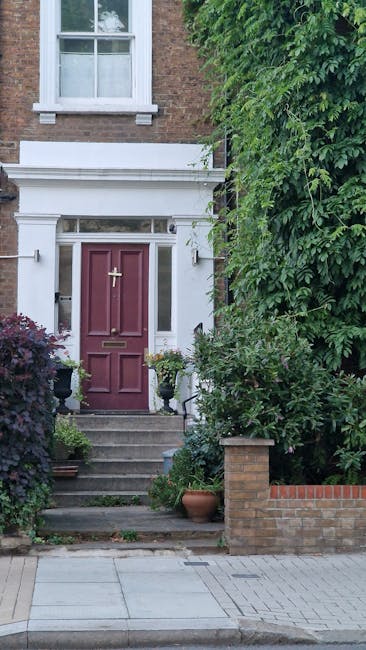
Highgate gardeners N6 front garden makeover guide
If your front garden in N6 feels a bit tired, cramped, or simply not pulling its weight, you're not alone. A front space can start to look neglected surprisingly quickly: a patchy lawn, overgrown shrubs, a muddy path after rain, maybe a bin screen that has seen better days. The good news is that a thoughtful front garden makeover can completely change the feel of a home without turning your life upside down. This Highgate gardeners N6 front garden makeover guide walks you through the practical choices, the common pitfalls, and the best ways to create a front garden that looks good, works hard, and suits the character of the house.
Whether you want a neat low-maintenance scheme, a greener entrance, or a more welcoming first impression, the right plan matters. And yes, it can be done without overcomplicating things. A well-designed front garden should feel calm, tidy, and easy to maintain from one season to the next.
Table of Contents
- Why Highgate gardeners N6 front garden makeover guide Matters
- How Highgate gardeners N6 front garden makeover guide Works
- Key Benefits and Practical Advantages
- Who This Is For and When It Makes Sense
- Step-by-Step Guidance
- Expert Tips for Better Results
- Common Mistakes to Avoid
- Tools, Resources and Recommendations
- Law, Compliance, Standards, or Best Practice
- Options, Methods, or Comparison Table
- Case Study or Real-World Example
- Practical Checklist
- Conclusion
- Frequently Asked Questions
Why Highgate gardeners N6 front garden makeover guide Matters
A front garden is the bit everyone sees first. That sounds obvious, but in practice it changes how a whole house is read from the pavement. In Highgate, where homes often have a strong sense of character, the front boundary, planting, path, and hard landscaping can either complement the property or quietly drag it down. A smart makeover is not only about looks; it's about making the space easier to live with.
People usually start with one annoyance. Maybe the lawn is too small to justify the mowing. Maybe the beds are bare in winter and out of control by June. Or maybe the entrance feels dark and awkward, especially in the drizzle we all know too well. A front garden redesign gives you a chance to fix those daily frustrations in one go instead of endlessly patching them up.
There's also a practical angle. A front space should guide people to the door, manage rainwater sensibly, and avoid creating extra maintenance. If you choose plants and materials carefully, it can stay attractive with far less effort than you'd expect. Truth be told, that's what most homeowners want: something handsome that doesn't become another Saturday job.
If you're comparing service options or want to understand the wider support available, the services overview is a sensible place to start. It helps you see how garden care and makeover work can fit together rather than feeling like disconnected jobs.
How Highgate gardeners N6 front garden makeover guide Works
A front garden makeover is usually a process of improving structure first, then planting, then the finishing details. That order matters. If you plant before sorting access, drainage, or edging, you often end up redoing the work later. A good local gardener will usually begin by looking at how people move through the space, what gets wet, what gets shaded, and what the property style suggests.
In a typical N6 front garden project, the work might include one or more of the following:
- clearing overgrown beds, weeds, or dead material
- reshaping borders for a cleaner layout
- improving soil and drainage where needed
- replacing tired turf or patchy ground cover
- installing or refreshing edging, gravel, or paving details
- choosing a planting scheme that suits light levels and maintenance needs
- adding privacy screening or a more welcoming entrance feature
What makes the work effective is not doing everything at once; it's making the right decisions in the right order. For example, a narrow front garden with poor foot traffic may need a stronger path layout before any decorative planting. A shady terrace may need tougher evergreen structure and fewer fussy flowering plants. That kind of judgement is where local experience really helps.
Some homeowners also like to phase the work. That can be a smart approach if you want to spread cost or test a style before committing. A small redesign this spring, then further planting in autumn, often works better than a rushed full strip-out.
Key Benefits and Practical Advantages
A front garden makeover does more than improve kerb appeal, though that is part of the appeal. The real value is how it changes daily use. A tidy entrance feels calmer. A path that drains properly feels safer. Plants chosen with care will look good for longer, with less constant rescue work.
Here are the benefits that matter most to most homeowners:
- Better first impressions: the entrance feels cared for and coherent.
- Lower maintenance: the right planting mix reduces time spent cutting back, watering, and reworking beds.
- Improved usability: paths, steps, and boundaries can be arranged more sensibly.
- Seasonal interest: evergreen structure plus flowering layers gives the space year-round value.
- Better resilience: robust materials and suitable plants usually stand up better to London weather and urban conditions.
There's also a subtle but real comfort in coming home to a front garden that feels ordered. Not flashy. Just right. On a wet evening in November, when the light is already fading and the pavements are damp, that kind of small visual calm matters more than people admit.
If your project will involve a broader garden refresh rather than a simple tidy-up, it may be useful to review the company's pricing and quotes information early. Having a clearer sense of scope tends to make the whole process easier.
Who This Is For and When It Makes Sense
This guide is for homeowners, landlords, and property managers in N6 who want a front garden that looks deliberate rather than left to chance. It's also for people who know they want a change but are not sure whether to go for planting, paving, lawn replacement, or a simpler tidy-and-reset.
You'll probably benefit from a makeover if any of the following sound familiar:
- the front garden is patchy, cluttered, or visibly dated
- maintenance is taking more time than the space deserves
- the entrance feels dark, awkward, or not very welcoming
- the existing layout makes access difficult
- you want better year-round structure and curb appeal
- the garden has been neglected for a season or two and needs a proper reset
It can also make sense after building work, new fencing, repainting, or a change in occupancy. Those are the moments when the front of the property either gets left behind or becomes the missing piece that pulls everything together. To be fair, lots of people focus on the back garden first and only later realise the front is what everyone actually sees.
If you are working to a budget, that doesn't rule you out. Small changes can have an outsized effect, especially if they improve the edge definition, the planting rhythm, and the entrance feel.
Step-by-Step Guidance
A good front garden makeover follows a practical sequence. Skipping straight to planting is tempting, but usually a mistake. Below is a clear, usable order that works for many N6 properties.
1. Start with a proper site review
Look at the garden in the morning, mid-afternoon, and after rain if you can. Notice where water sits, where the light falls, and where people naturally walk. A slightly rough patch near the path may tell you more than a long list of plant ideas.
2. Decide what the front garden must do
Ask a few simple questions. Do you want more privacy? Easier access? A softer look? Somewhere for pollinators? Less maintenance? A front garden can do two or three things very well, but trying to make it do everything at once often muddies the result.
3. Clear and simplify
Remove dead plants, broken edging, clutter, and anything that no longer fits the new plan. This is often the moment when the garden starts to breathe again. A clean slate is not a luxury; it's the thing that makes the next decisions easier.
4. Fix layout before decoration
Check whether the path, steps, gate area, or bin storage need attention. Then shape the beds and lawn areas around those routes. A nice planting scheme won't compensate for a path that feels too narrow or a border that blocks access. It just won't.
5. Choose a planting structure
Use a simple structure: evergreen backbone, seasonal interest, and a few accent plants. In shade or partial shade, focus on reliable forms rather than trying to force a sun-loving cottage look. In brighter spaces, you can lean into scent, texture, and more flowering variety.
6. Add surfaces and finishing details
Edging, gravel, stepping stones, or a refreshed threshold can make the whole design feel complete. These details are not just decorative. They define the space and reduce visual mess. A crisp edge, for example, can make even a modest planting scheme look sharper.
7. Plan maintenance from day one
This part gets overlooked all the time. If you do not plan how the garden will be maintained, the new layout can slip back into clutter. Keep access clear, avoid overfilling beds, and make sure plants have enough room to mature properly. A little restraint now saves a lot of pruning later.
For anything involving access, manual handling, or machinery, it's wise to check the provider's health and safety policy and insurance and safety information. That may sound dry, but it's the sort of detail that matters when work is being done on a live property.
Expert Tips for Better Results
A front garden can look dramatically better with a few smart choices rather than a big, expensive overhaul. That's one of the quieter truths of garden design. Small decisions, made well, often beat dramatic gestures.
- Use repetition: repeating two or three plant types gives the front garden calm and structure.
- Keep the entrance visible: don't hide the front door behind dense planting unless privacy is the main goal.
- Choose plants that match the site: shade, root competition, exposure, and drainage all matter.
- Leave enough clearance: crowded borders are one of the fastest ways to make a newly planted garden look messy.
- Think in seasons: winter structure is as important as summer colour in a front garden.
A useful rule of thumb: if a design looks brilliant only for three weeks of the year, it probably needs more backbone. In Highgate, many front gardens benefit from evergreens, clipped forms, and tidy lines that still look good when the flowers have faded.
One more thing. Don't underestimate the effect of restraint. A calmer design often looks more expensive than a crowded one. Not always, but often enough.
Common Mistakes to Avoid
Most disappointing front garden results do not come from bad taste. They come from poor planning, rushed planting, or ignoring maintenance. Here are the errors we see most often.
- Overcomplicating the scheme: too many plant species can make the space feel busy and hard to care for.
- Ignoring shade and roots: front gardens near mature trees or hedges often need tougher planting choices.
- Blocking access: borders that spill onto paths quickly become annoying, especially in wet weather.
- Choosing plants for a catalogue photo: pretty in a picture, poor in your actual conditions is a real thing.
- Forgetting drainage: soggy soil and compacted paths create long-term problems.
- Skipping the maintenance plan: even low-maintenance gardens need seasonal attention.
There's also the temptation to go too minimal. A front garden stripped back to bare gravel and one lonely shrub can look sterile if the house style wants softness. A good designer reads the property, not just the trend of the moment.
If you need help on the practical side of maintenance after a makeover, the services overview can help you see how ongoing garden care fits into the bigger picture.
Tools, Resources and Recommendations
The right tools make a makeover smoother, but the real value is in choosing the right approach for the site. A front garden rarely needs fancy kit. It needs tidy work, careful judgement, and materials that suit the property.
Useful items often include:
- spade, fork, and hand trowel for clearing and replanting
- pruners or loppers for shaping overgrown shrubs
- edging tools for clean border lines
- wheelbarrow and waste bags for clear-out work
- mulch or compost to improve soil structure
- gravel, edging, or paving materials where a defined hardscape is needed
And beyond tools, there are a few resources worth keeping in mind. A clear quote, a sensible design brief, and a maintenance plan are often more valuable than another shopping list of plants. If you want to understand how costs are approached, especially for phased work, the pricing and quotes page is a helpful reference point.
For eco-conscious choices, it can also help to check recycling and sustainability guidance. A front garden makeover often creates green waste, old compost, prunings, broken pots, and the occasional forgotten garden ornament that has definitely seen better days.
Law, Compliance, Standards, or Best Practice
Front garden work in the UK is usually straightforward, but there are a few sensible checks to make before starting. The exact requirements depend on the property, the scope of work, and whether you are altering drainage, boundaries, access, or shared features.
As best practice, consider the following:
- check whether any trees, walls, or boundary features are protected or shared
- avoid blocking pavements, drains, or access routes during works
- confirm that waste is removed and handled responsibly
- use contractors who are insured and follow safe working practices
- if lighting, steps, or surfaces are being changed, think about safe access and slip resistance
If you are commissioning work, it is reasonable to ask how the company handles safety, waste, and customer communication. The supporting pages on health and safety and insurance and safety are exactly the kind of thing a careful customer should look at. Not glamorous, perhaps, but reassuring.
There is also a professionalism angle. Good service providers tend to have clear processes for payments, privacy, complaints, and accessibility. Those details matter because they show the business is properly run, not just good at trimming hedges.
If needed, you can also review the company's payment and security information, accessibility statement, and complaints procedure. They are not front-garden design topics as such, but they are part of a trustworthy customer journey.
Options, Methods, or Comparison Table
Front garden makeovers usually fall into a few common approaches. The right one depends on budget, site conditions, and how much ongoing maintenance you want to take on. Here's a simple comparison to help you think it through.
| Approach | Best for | Pros | Watch-outs |
|---|---|---|---|
| Planting-led refresh | Homes with decent layout but tired borders | Softens the frontage, boosts seasonal interest, can be relatively cost-effective | Needs the right light and soil conditions; can become messy if overcrowded |
| Low-maintenance hardscape focus | Busy households, rental properties, or awkward sites | Neat, durable, easier to manage year-round | Can feel stark if planting is too limited |
| Mixed makeover | Most N6 homes | Balances structure, planting, and practical access; usually the most adaptable | Needs a clear plan to avoid looking cluttered |
| Soft reset and tidy-up | Smaller budgets or short-term improvements | Fast visual improvement, less disruption | May not solve deeper layout or drainage issues |
In real life, the mixed approach is often the most satisfying. A little structure, a little greenery, clear access, and one or two strong focal points. Simple enough. But getting the proportions right takes a steady hand.
Case Study or Real-World Example
Here's a realistic example. A modest N6 terrace had a front garden that had become a bit of everything: a narrow patch of lawn, two overgrown shrubs, a cracked edge, and a path that felt swallowed by the planting. Nothing dramatic, just quietly untidy. The owner wanted the front to feel brighter and easier to look after.
The makeover began with clearing and pruning, then rethinking the layout so the path felt open again. The lawn was reduced, borders were simplified, and the planting was changed to a small group of evergreen structure plants with seasonal underplanting. A fresh edge gave the whole space definition. No giant statement pieces. No fussy extras. Just a better balance.
The result was not about novelty; it was about relief. The front looked more intentional from the street and was easier to maintain week to week. The owner could still enjoy a bit of colour in spring and summer, but the garden no longer depended on constant attention to stay decent. That is often the quiet success people want, even if they do not say it out loud.
It also showed something useful: sometimes the best improvement is removing things rather than adding them.
Practical Checklist
Before you begin a front garden makeover, use this simple checklist to keep the project on track:
- assess light, drainage, and access points
- decide what the garden should do: welcome, soften, screen, simplify, or all of these in balance
- clear dead growth, clutter, and damaged materials
- confirm whether paths, steps, or edging need repair
- choose plants that suit the site rather than a photo reference
- leave enough space for mature plant size
- plan a watering and pruning routine for the first year
- check waste handling and sustainability options
- review quote, timing, and payment details before work begins
- make sure the design still looks good from the pavement, not only from the front window
And one small but useful tip: stand across the street and look at the garden from a distance. You spot layout problems much faster that way. Funny how that works.
Get a free quote today and see how much you can save.
Conclusion
A strong front garden makeover is rarely about doing more. It is usually about doing the right things in the right order: cleaning up the structure, choosing planting that actually suits the site, and making the entrance feel easy and welcoming. For many homes, that is enough to transform the whole mood of the property.
If you are planning a project in N6, the smartest move is to begin with a clear brief and a realistic idea of maintenance. A front garden should make life simpler, not busier. When it works well, it quietly improves every arrival and every departure. Small thing, maybe. But it adds up.
And if you're still weighing up what to do next, that's fine. A good makeover starts with a good eye and a steady plan. The rest follows.
Frequently Asked Questions
What is included in a front garden makeover?
It can include clearing, pruning, planting, edging, path improvement, turf replacement, drainage fixes, and sometimes privacy or screening work. The exact scope depends on the site and your goals.
How do I know whether my front garden needs a full redesign or just a tidy-up?
If the main issue is overgrowth or general mess, a tidy-up may be enough. If the layout feels awkward, the planting is failing, or the access is poor, a redesign usually makes more sense.
What plants work well in a Highgate front garden?
That depends on light, soil, and how much maintenance you want. Many N6 gardens benefit from a mix of evergreen structure, reliable shrubs, and seasonal planting rather than very delicate plants.
Is a low-maintenance front garden a good idea?
Yes, for many homes it is the best fit. Low-maintenance does not mean bare or boring; it means choosing durable materials and plants that stay tidy without constant intervention.
How long does a front garden makeover usually take?
Smaller refreshes may take a short visit or two, while more involved redesigns can take longer depending on clearing, material delivery, and planting. Weather can also affect timing in the UK, as you'd expect.
Do I need planning permission for a front garden makeover?
Often, no. But if you are altering boundaries, drainage, access, or protected features, it is sensible to check carefully. The exact position depends on the property and the work being done.
How much should I budget for a front garden makeover?
Budgets vary widely depending on size, materials, and whether you are changing the layout. A simple refresh costs less than a full redesign with hard landscaping. A clear quote is the best way to understand the likely spend.
What makes a front garden look more expensive?
Usually it is not rare plants or flashy features. It is clean lines, repetition, good proportions, and a layout that feels intentional. A tidy edge can do more than a lot of ornamentation, surprisingly.
Can a front garden makeover improve privacy?
Yes, if it is planned carefully. Lower planting near the path, screening at the right height, and thoughtful layering can soften views without making the entrance feel closed off.
How do I keep the new front garden looking good all year?
Choose plants with year-round structure, keep the layout simple, mulch appropriately, and set a seasonal maintenance routine. Small, regular care is much easier than a big rescue every few months.
What should I ask a gardener before starting the project?
Ask about the design approach, maintenance expectations, waste removal, insurance, timescales, and how payment is handled. It is also worth checking how they deal with health and safety on site.
Can front garden work be done in phases?
Absolutely. In fact, phased work is often the sensible route if you want to manage budget or test the design as you go. Start with structure, then refine the planting later if needed.
How do I choose between planting-led and hardscape-led designs?
If the space already works well and just needs softening, planting-led is often best. If maintenance is a big issue or the layout is awkward, more hardscape may be the better choice. Many gardens do best with a balance of both.
Where can I find more information about the company's services and policies?
You can review the services overview, pricing and quotes, and supporting trust pages such as health and safety and recycling and sustainability. These pages help you understand how the work is handled in practice.